

What if the best classroom isn’t inside walls? But under trees, where a hawk flies above?
Welcome to The Hidden Gem of Hoggs Hollow. It’s a school in nature’s backyard. A lush ravine near Yonge Street in Toronto is its setting. It’s a place where learning meets nature.
Students see oaks, streams, and animals like deer and raccoons. These sights help them learn and solve problems. The area has a rich history, with a school, church, and more.
This school follows nature-based learning. It uses stories, materials, and walks to teach. Kids learn to hike, build, and think deeply.
Key Takeaways
- A school in nature’s backyard turns the Hoggs Hollow ravine into a living classroom.
- Education in natural settings boosts observation, resilience, and hands-on inquiry.
- Local history and walkable amenities strengthen community-based learning.
- Wildlife encounters support an authentic, place-based science practice.
- Nature-inspired learning experience pairs outdoor exploration with core academics.
- Proximity to transit near Yonge Street makes daily access simple and reliable.
An Overview of Hoggs Hollow School
Hoggs Hollow School connects kids to nature every day. It’s set in a wooded area with winding streets and lots of green. This makes it easy for families to get there without driving much.
How it works in practice: Kids start with morning circles and short walks. They explore streams and learn through nature stories. Afternoons are for thinking and sharing what they learned, always outside when it’s nice.
The school honors the area’s history. It offers programs for all ages, from preschool to school-age care. It’s open from early morning to late afternoon, fitting family schedules.
Children visit libraries and civic places, learning about their community. There are special sessions for parents to learn too. The school uses Wi-Fi for messages but focuses on natural materials outdoors.
The school teaches kids to be independent and to solve problems. Teachers encourage them to explore and tell stories about nature. This makes learning feel real and connected to the outdoors.
| Program | Age Range | Core Outdoor Focus | Typical Hours | Key Benefit |
|---|---|---|---|---|
| Nature-Based Preschool | 3–5 | Hikes, sensory play, oral storytelling | 8:30 AM–1:30 PM | Builds curiosity and early literacy in outdoor classrooms |
| Toddler Childcare | 18–36 months | Nature building, music, short trails | 7:45 AM–5:30 PM | Supports regulation and language through routine in nature |
| Single Child Care | Varies | Personalized exploration, stream study | Flexible within full-day | Tailors outdoor education programs to individual needs |
| Multiple Children Care | Siblings, mixed ages | Group hikes, cooperative shelter-building | 7:45 AM–5:30 PM | Fosters teamwork and shared stewardship habits |
| School-Age Childcare | 6–12 | Trail mapping, citizen science | After-school windows | Extends learning while modeling an environmentally sustainable school |
The school is designed to be light on the environment. Kids use sticks and leaves as tools. This approach keeps learning connected to the seasons all year.
Immersive Nature-Based Learning
Students start their journey in education in natural settings that spark curiosity. They explore creek edges and build shelters. They also track animal signs.
Hikes and games use only found materials. Kids learn to repair and reuse. They share and make eco-friendly habits.
Oral storytelling helps them remember. It makes them feel connected to their surroundings. They learn to listen deeply.
The day is filled with outdoor learning. They focus and build stamina. Indoor spaces are for quick breaks and checking in.
Real terrain helps them grow. They learn balance and navigation. Safety planning teaches them about local wildlife.
Social-emotional skills grow at home and on the trail. Kids become more independent. They learn to solve problems together.
Field experiences broaden their learning. They visit places like police stations and libraries. This connects them to the community.
Families can choose a schedule that works for them. This supports a whole-child approach. It keeps the focus on nature.
What this feels like day to day: inquiry, muddy boots, and wonder. It’s education in natural settings where every path is a lesson.
Students learn about ecology with each step. In these outdoor classrooms, learning becomes natural. It’s guided by story and place.
Community Engagement and Support
Hoggs Hollow is great for walking. Streets and parks make it easy to meet others. Families, neighbors, and teachers often meet here.
Parent and Me classes happen on Fridays or Saturdays. They teach simple things to do at home. Songs and play help kids feel confident outdoors.
Field trips take kids to the library and local shops. They learn about safety and reading signs. This helps them learn to travel lightly and share resources.
Teachers use sticks and leaves instead of toys. This way, they teach without making a mess. Volunteers help set up, keeping things simple.
Little Finch Forest School is run by women. It shows how trust is built with clear values. It also has a program for elders and teens to help out.
They open from 8:30 AM–1:30 PM for half-day. Extended care is from 7:45 AM–5:30 PM. This helps working parents.
The area has a rich history. It was built around a school and important services. Homes here show different designs and how to be green.
Getting around is easy with public transit and trails. Kids learn about birds and safety. This helps them care for nature.
- Volunteer pathways: trail stewards, literacy buddies, and gear librarians for eco-friendly school initiatives.
- Family touchpoints: monthly creek cleanups, Saturday skill shares, and seasonal storytelling fires.
- Safety habits: route checks, buddy systems, and first-aid-ready daypacks during outdoor education programs.
Inspiring Success Stories
Parents talk about how nature helps kids grow strong. Kids learn to slow down, save energy, and speak up. This comes from trying new things outside.
They thank the teachers for helping them grow. Teachers know how kids learn and set goals. Then, they let kids try, fail, and try again. This builds confidence in reading, math, and talking to friends.
Places like Hoggs Hollow offer many field trips. Kids go on bike rides, visit museums, and do arts. They see how small steps lead to big achievements.
Days filled with hiking, playing in streams, and building with sticks help kids focus. Getting their hands dirty makes them better problem solvers. They come back to class ready to do more and solve problems calmly.
In Hoggs Hollow, families make special memories. They see hawks, map creeks, and watch leaves change. These moments make the neighborhood a living classroom.
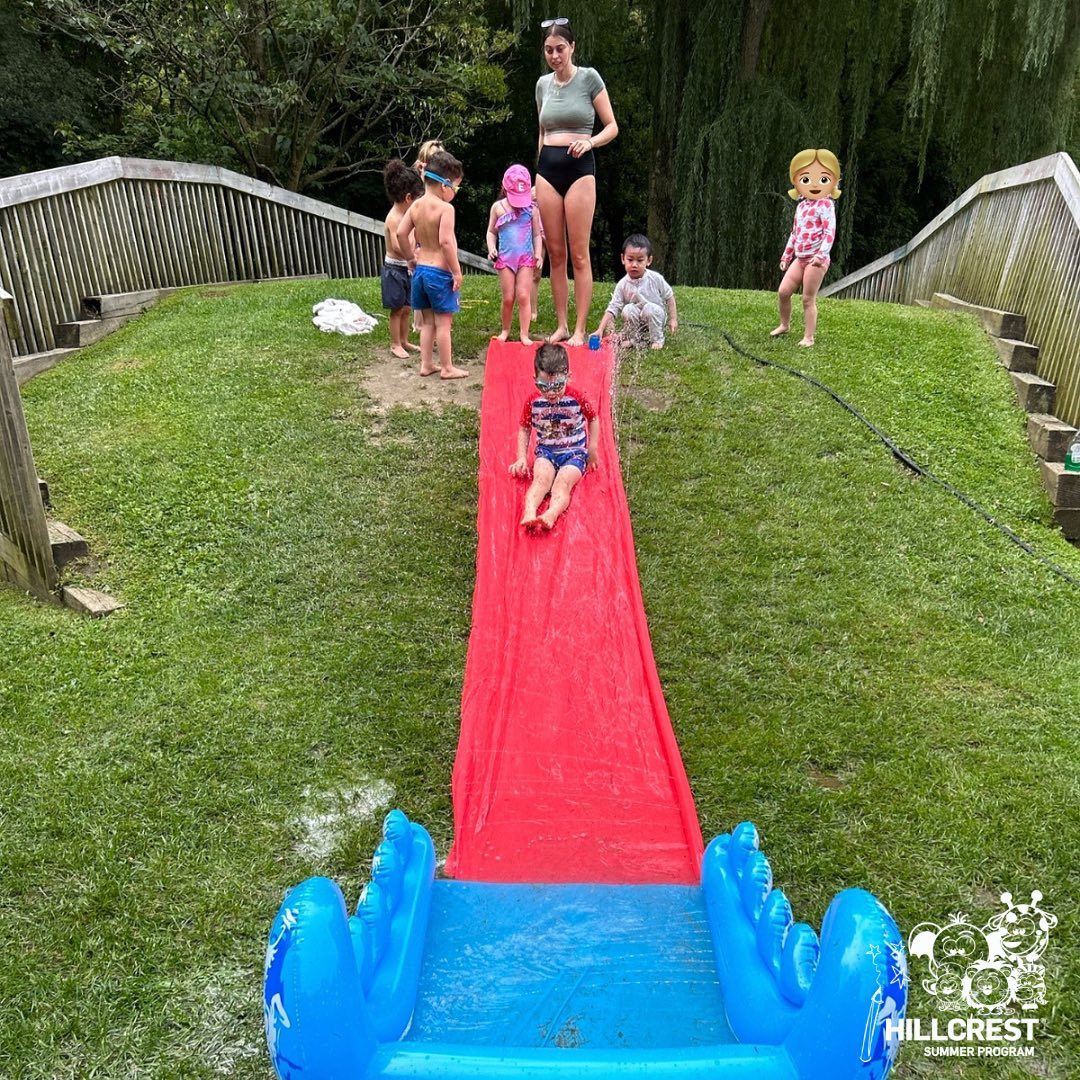
Learning to care for the environment is part of growing up. Kids use what they find for projects, leave no trace, and walk or take public transport. As they get used to these habits, they become more confident outside.
These stories show a clear path. Nature and thoughtful teachers help kids find their voice, become resilient, and care for their community. They learn in a way that feels real and big.
How to Get Involved
Getting started is easy. Families can sign up for nature-based sessions. These fit into busy lives, from half-day to full-day care.
Parent and Me classes are on Fridays or Saturdays. They let adults and kids learn together outdoors. Field trips to local places teach safety and community spirit.
Volunteers are key to the magic. They help with trails, wildlife stations, and storytelling. They also document learning inspired by the Coyote Guide.
Partnerships with local sites add to learning. They support an eco-friendly school that teaches and protects nature.
Adopt green school practices. Use natural materials and reduce plastics. Design outdoor classrooms that fit the land.
Choose walking or transit for less pollution. Indoor hubs with Wi-Fi keep everyone connected. Clear operations build trust and welcome everyone.
Leadership is important. Look for models run by women and the community. The area’s nature and history inspire us to work together.