

What if the most powerful factor in your child’s success isn’t a new app or test prep—but the number of students in the room?
In the United States, families talk a lot about new ideas in schools. But, research shows that small class sizes are really important. They help students focus better, talk more, and build strong relationships with teachers.
Teachers at Friends Academy say that learning one-on-one helps students feel more confident. At Furman University, seminars mix hands-on work with talking, going beyond just lectures. Kintess School links small classes to better emotional skills, creativity, and thinking.
This part explains why learning should be personal. It shows how small classes help students do better, behave better, and make teachers happier. In short, small classes make learning last, which is the main point of The Power of Small Class Sizes: Why Personalized Learning Matters.
Key Takeaways
- Small classes fuel a student-centered approach that builds trust and engagement.
- Project STAR shows long-term gains from early small classes, including higher test scores.
- Personalized instruction boosts feedback quality, participation, and confidence.
- Small class benefits extend to teacher well-being and sustainable workloads.
- United States education examples—from Friends Academy to Furman—prove impact across ages.
- Holistic models like Kintess School tie low ratios to empathy, creativity, and critical thinking.
- The Power of Small Class Sizes: Why Personalized Learning Matters frames the case for lasting change.
Understanding Small Class Sizes
Understanding small class sizes means knowing there are fewer students. This lets teachers give more attention to each student. They can see if anyone is confused and make sure everyone gets to talk.
Research shows small classes help kids learn better and feel calmer. Schools like Friends Academy say small groups help students talk and learn together. This helps with schoolwork, making friends, and feeling good about themselves.
Small classes are different from big lectures. They are about talking, doing things with your hands, and working with friends. Teachers can see how each student learns and change plans to help them learn more.
Kintess School sees every student as important. With fewer students, teachers can really help each one. They focus on learning and also help students feel good about themselves and their friends.
| Aspect | Small Class Hallmarks | Why It Matters | Examples in Practice |
|---|---|---|---|
| Class Size Definition | Fewer learners with a low student-to-teacher ratio | Enables frequent check-ins and personalized attention | Daily conferences, quick feedback cycles |
| Interaction | Dialogue, hands-on tasks, collaborative discussion | Builds confidence and clarifies ideas in real time | Socratic circles, lab teams, peer review |
| Assessment | Rapid read of learning styles and pacing | Moves students forward once mastery is reached | Exit tickets, mini-quizzes, skill trackers |
| Teacher Practice | Innovative teaching methods tailored to each learner | Aligns instruction with needs and interests | Choice boards, station rotations, project menus |
| Whole-Child Focus | Attention to academic and social-emotional growth | Strengthens belonging and readiness to learn | Advisory check-ins, goal setting, reflection |
At its heart, small class sizes are about building strong relationships. With the right number of students and a caring teacher, learning becomes fun and personal. It’s all about making sure each student feels seen and heard.
The Impact on Student Learning
Research shows that small classes help students learn more. In Tennessee, Project STAR found better reading and math skills. They also saw fewer behavioral problems in early grades.
Teachers at Friends Academy say students are more engaged and confident. Grade 1 focuses on reading, writing, and understanding. Students get help right away, which keeps them moving forward.
Teachers mix lectures with group work. This lets students learn at their own pace. They don’t have to repeat what they already know, which helps them understand better.
Classrooms become more student-centered. Everyone gets a chance to speak up. Teachers can adjust lessons quickly, which helps students do better on tests.
- Stronger achievement in reading and math across grades
- In-depth discussions that prevent students from falling behind
- Personalized pacing that improves motivation and mastery
The Kintess method links engagement with growth. In small groups, students work on projects together. This boosts their thinking, creativity, and social skills.
Smaller classes also help teachers. They can give feedback quickly and specifically. This helps students learn more, without limits.
Benefits of Personalized Learning
Small classes help students focus and talk openly. Teachers learn each student’s strengths and goals. This way, students avoid busywork and make real progress.
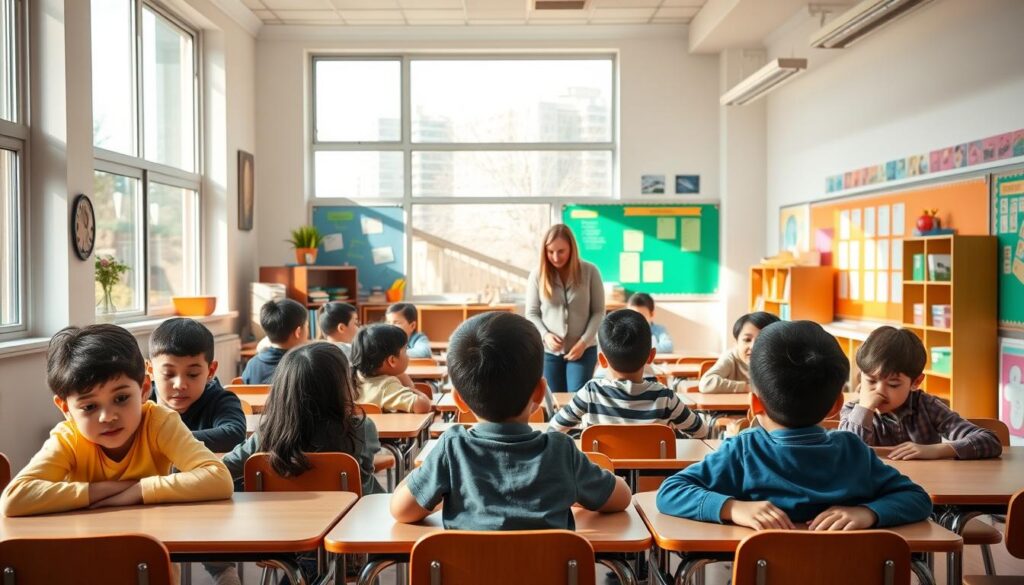
Kaitlyn Zelaya creates learning plans for each child. This educational enrichment boosts confidence and curiosity. Jozeph Herceg says less grading lets students learn fast and try again.
Rebecca Glavan talks about deeper talks and regular checks. Students learn through projects and labs. This makes learning real and helps them support each other.
At Kintess, teachers mix psychology and science with projects. Lessons encourage creativity and thinking. They also match how each student learns best.
Personalized learning covers many areas like arts and science. Students move on to new challenges, staying focused and happy. Feedback and assessment help them grow step by step.
Class communities celebrate together and support each other. Teachers adjust plans as needed. This leads to meaningful learning and growth.
How Small Class Sizes Facilitate Personalized Learning
Small classes offer a student-centered approach. Teachers lead small-group lessons, like Grade 1 reading groups. These focus on decoding, vocabulary, and more.
Quick checks help adjust the pace. This lets quieter students speak up in safe discussions.
Teachers mix lectures with hands-on activities. They test ideas and change plans if needed. For example, they might let a student lead an inquiry on toothpaste claims.
Small class strategies also help families. Teachers share updates often. This leads to better support at home.
Teachers learn each student’s strengths and weaknesses. They create a personalized curriculum that meets each student’s needs.
Colleges use a similar method. Professors mix lectures with group work and Q&A. This helps students learn from each other and grow.
Kintess uses a toolkit for learning. It includes project-based work and creative expression. This approach builds emotional intelligence and supports academic growth.
At all levels, the goal is the same. It’s about a student-centered approach. Using small class strategies, innovative teaching methods, and a personalized curriculum. This way, students stay engaged and learn well.
Challenges of Maintaining Small Class Sizes
Keeping classes small is harder than it seems. Schools struggle to balance teacher time, student needs, and budgets. Leaders must keep grading loads light and protect planning time for real feedback.
At Friends Academy and other mission-driven schools, success comes from smart planning. Teams plan schedules that avoid overload and support hands-on work. This reduces burnout and focuses on each learner.
Staffing and resources are also a challenge. Labs and workshops need space, materials, and trained teachers. When budgets are tight, it’s easy to use lecture halls instead. Small classes need steady hiring and coaching to stay effective.
Colleges often use large lectures because they’re cheaper. But small classes work better when schools support teamwork and feedback. This requires time, tools, and faculty capacity in sustainable models.
Research shows that strong relationships are key to learning. Small classes allow teachers to track growth and adjust lessons. Scheduling and class caps must be planned carefully to avoid overwork.
The future combines sustainable models with clear planning. Schools set class-size targets, secure funding, and support mentors. With careful planning, small classes offer the depth families want.
| Dimension | Operational Need | Risk If Ignored | Practical Move |
|---|---|---|---|
| Staffing and Resources | Enough certified teachers, aides, and specialists across grades | Teacher overload, reduced feedback, rising attrition | Multi-year hiring plan and retention stipends |
| Program Design | Schedules that protect planning time and advisory blocks | Shallow instruction and inconsistent support | Block scheduling with common prep periods |
| Instructional Practice | Hands-on learning, collaboration, and frequent assessment | Drift to lecture, lower engagement | Shared rubrics and formative checks each week |
| Sustainable Models | Stable funding tied to class-size caps | Program cuts during budget swings | Five-year financial forecasts and enrollment targets |
| Culture and Training | Ongoing coaching in developmental psychology and neuroscience | Inconsistent relationships and classroom climate | Annual PD aligned to low-ratio strategies |
Key takeaway: Overcome small class size challenges with aligned staffing, thoughtful planning, and sustainable models. Keep student-teacher relationships at the heart.
Real-World Examples of Small Class Success
Small classes make a big difference. At Friends Academy, kids speak up more and join in more. First graders read together three times a week, getting better and braver.
A student even studied HiSmile toothpaste. This shows how curiosity leads to learning. It’s a real example of success.
At Friends Academy, everyone feels important. There are special meetings on weekends. Teachers keep an eye on how each student is doing.
Lessons are made just for each student. Teachers help right away. This way, students can show what they know in their own way.
Kintess School focuses on the kids. They learn through projects and work together. Teachers know how to help kids grow.
This helps kids think and feel deeply. They discover their talents in arts, science, and writing. Seeing their progress makes them more excited to learn.
Furman’s Center for Engaged Learning connects small classes to real-world experiences. Teachers use short talks and group work. This keeps students focused and engaged.
It’s not just for school. A good summer program at Hillcrest can help too. It’s all about hands-on learning and making progress.
Future of Education: The Role of Small Class Sizes
Small class sizes are key to the future of education. Even after Project STAR, we know smaller classes help students learn and behave better. Schools like Friends Academy show how important one-on-one attention and student talks are.
The future combines small classes with hands-on learning. At Furman, students learn by doing through internships and research. This way, they grow by mastering new skills.
Research is changing how we teach. At Kintess School, they use science to guide learning. This approach helps students grow in empathy and self-awareness. With fewer students, each one gets the help they need.
To make this work, we must take care of teachers. When teachers are happy and supported, they can focus on each student. This leads to a future where learning is exciting and everyone grows.